
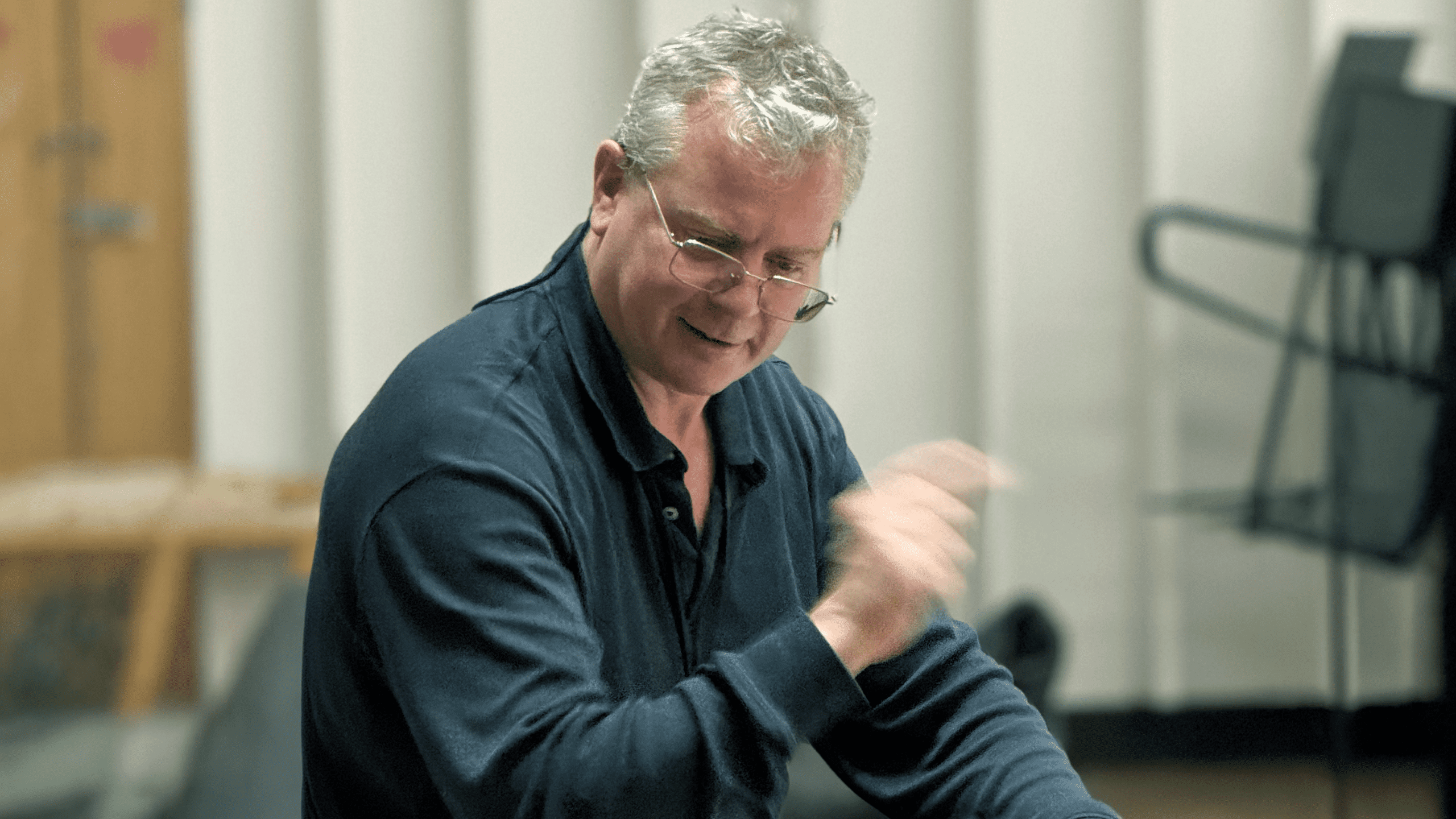
With rehearsals well underway, we sat down with conductor Stuart Stratford to explore the energy, artistry and surprises behind Rossini’s La Cenerentola. From virtuosic singing to those famously exhilarating crescendos, he shares what makes this Cinderella such a joy to bring to life.
How has the rehearsal process for Rossini’s Cinderella (La Cenerentola) been unfolding so far?
Rehearsals have been going great! We have a superb cast which is taking on this real tour de force of athletic singing. Being surrounded by this life affirming music with the special energy brought by so many talented people from the stage managers, costume makers and brilliant creative team reminds me why I love doing my job.
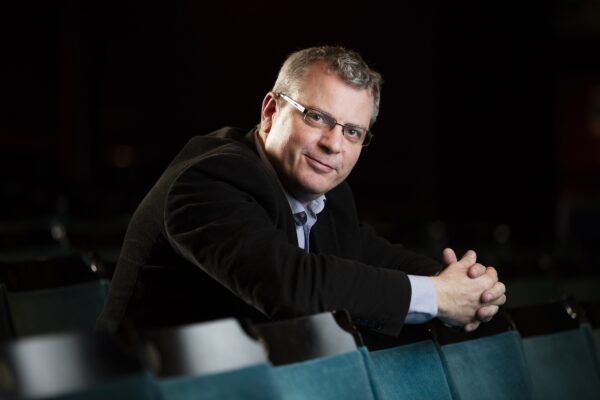
How would you describe Rossini’s Cinderella (La Cenerentola)? What is it about his music that still feels so exciting today?
The music of Rossini is incredibly fluent. He famously wrote this piece in a matter of weeks. The demand for something new from composers at this time forced the compositional process of different works to have much of the material to be similar in style. Rossini and his contemporaries were not interested in writing a piece for eternity, but simply to get the next story on stage. As such, the style of Rossini is very consistent and immediate. His brilliance is in the way that he tailors each of the roles into fabulous extended ensembles which continue to astonish and surprise us today.
Everyone talks about the Rossini crescendo — what makes it so thrilling in this opera?
The Rossini Cresendo, where a short harmonic and melodic motive is repeated and intensified with additions of instruments and singers, is always thrilling. I think as listeners we love it because it is so simple to understand and predict but it is still so effective in creating this energy stream which seems to never want to stop.
What are the musical moments audiences might not expect, but should really listen for? Any tips for a deeper listening experience for someone new to the opera?
The plot dialogue (recitativo) in the opera is sung at speaking pace with just bare accompanying chords suggested underneath. I am always amazed at the improvisatory skill of the pianist to react in real time to every nuance of the singers including gesture and physical language. Every performance is completely unique!
What’s the biggest challenge (or joy) in conducting this opera?
Making sure the speeds are ideally suited to the singers. The fast tempi should push the limits of vocal ability but still be achievable. Balance of course is a conductor’s constant concern – making sure the orchestral forces are not too overwhelming for each voice! There is over 40 of us and only one of them after all!
Is this your first time conducting the Adelaide Symphony Orchestra? What are you most looking forward to in bringing this score to life together?
Yes, this is my first time with the ASO. They have a fantastic reputation and I can’t wait to work with them and share the joy that this music brings with them and ultimately our audience.
When audiences leave the theatre, what do you hope is still resonating with them?
I think there will be many smiles, many hummed melodies and above all a sense of wonderment in what the human voice can achieve and the very special way that this all comes together in this crazy, ridiculous, superb, athletic, touching and visceral art form that we know as opera.